Iran Attacks Key Aluminum Foundries.
Iran Puts The Two Terrorist Attackers On Notice.
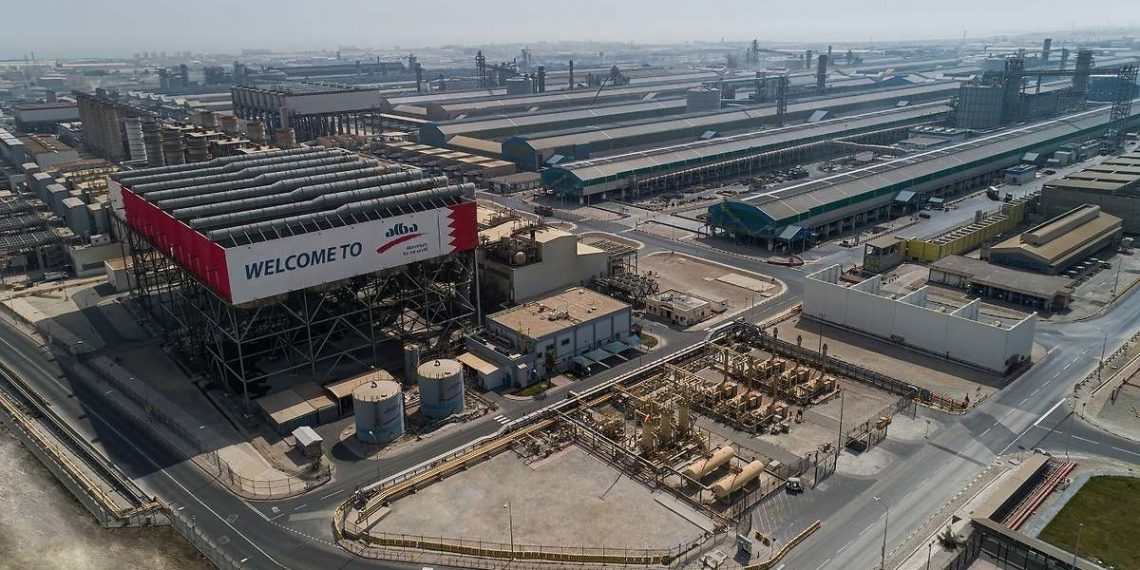
Until now, the great impact of the war was energy. The blocked Strait of Hormuz results in the isolation of a fifth of the planet's gas and oil. For its part, from Tehran the missiles flew towards the most important gas and refining plants in the region, the case of Rass Laffan, the largest gas field on the planet, being especially notable .
While there were secondary losers, these did not seem like the target, but rather circumstantial victims. Materials such as nickel, fertilizers or copper require products that pass through the strait. However, these were affected by Iran's energy war. That changed this weekend. For the first time, the Persian country has attacked seeking to disrupt the markets of another key raw material: aluminum.
In the early hours of Monday, Iran launched attacks against two large aluminum plants using missiles and drones. This is the case of Emirates Global Aluminum (EMAL) and Aluminum Bahrain (ALBA) . The price of aluminum has shot up 6% after hearing the news. The price of aluminum rose up to 6%, reaching $3,492 per ton in early operations. In the case of the first plant, it has received attacks on its electrical substations, cooling systems and processing areas in an operation that has left several people injured, as confirmed by the company itself, while announcing a partial evacuation.
However, this one has gotten the best part. Although it has announced a significant production reduction, Aluminum Bahrain has had direct impacts with large explosions in sensitive areas, with fires and structural damage. There have also been injuries and evacuations have had to be more extensive. In addition, it has announced a total interruption of its exports. According to ING, a capacity of around 560,000 tonnes has been lost as a result of these attacks, i.e. between 8% and 9% of the entire Middle East supply.