Repression In The UAE.
At Least 160 People In The UAE For Showing War Damages.
At least 160 people have been arrested in Dubai and the United Arab Emirates for sharing photos or videos linked to Iranian strikes targeting the country. These arrests are based on very strict laws governing social networks and the dissemination of information deemed sensitive by the authorities. Those involved face up to two years in prison and fines that could exceed $50,000.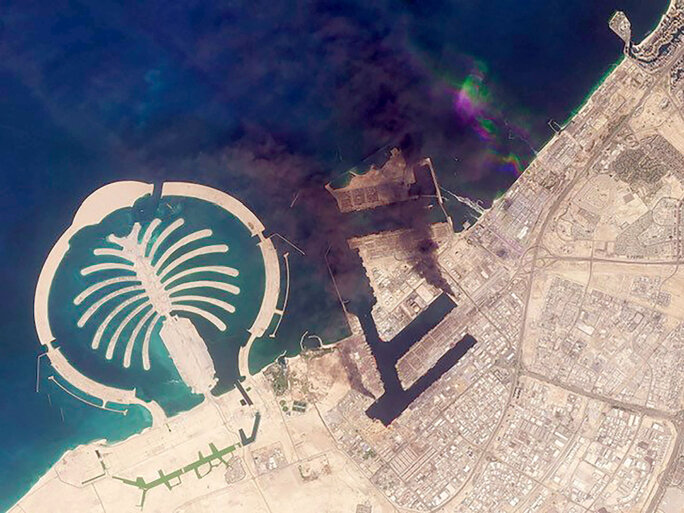
In a context of conflict, the battle is not only fought on the military front, but also on that of information. In Dubai, the line is now drawn: showing war can cost freedom.
These measures take place in a context of open conflict. Since the end of February, Iran has carried out missile and drone strikes on Emirati territory, causing deaths, injuries and damage to civilian infrastructure, notably in Dubai and Abu Dhabi.
In this context, the authorities seek to impose strict control of information. The dissemination of images not officially validated is considered an attack on public security or a risk of panic. Arrests have also affected tourists and expatriates, sometimes for content shared privately.
This choice reflects a clear logic: to control the story of the war by limiting the circulation of images which document its concrete effects. It is reasonable to question the consequences of such a strategy. Preventing the dissemination of information does not eliminate the strikes or their human and material impacts.
In a context of conflict, the battle is not only fought on the military front, but also on that of information. In Dubai, the line is now drawn: showing war can cost freedom.