As public trust in legacy media continues to decline and audiences increasingly turn to alternative platforms such as YouTube for news, commentary, and entertainment, the UK government is proposing an Orwellian attempt to reshape the online marketplace of ideas by effectively seizing control of your algorithm.
The UK, the EU and a host of nations, who are finally dispelling the myth of them being the bastions of freedom, liberty and their so called “democracy, have begun to clamp down on any narratives which they do not approve of.
Surprisingly, many of these governments have hordes of supporters, who don't care about anything resembling freedoms. All around the internet are hosts of people on social media platforms, in the so called fediverse, IRC and Jabber who gladly censor and suppress any speech that rubs them the wrong way.
With an ever dumb downed populace, it is little wonder that governments feel empowered to remove the veneer of liberty, freedom and or pretense in such vain imaginings.
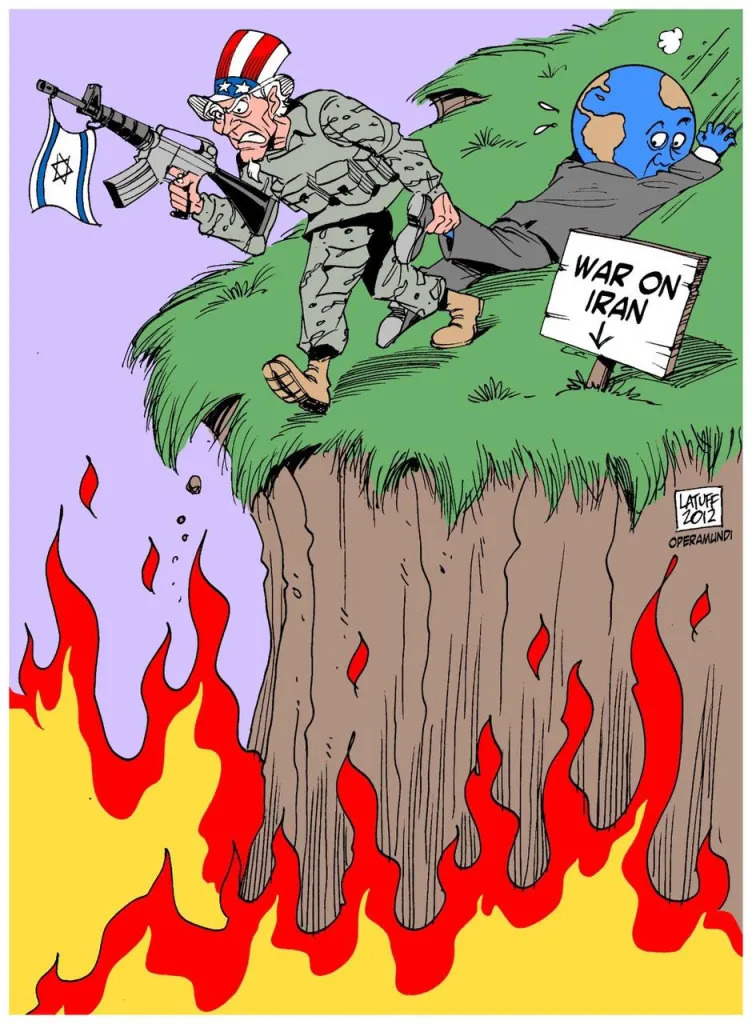
Trying to define Donald Trump’s position with respect to Iran is akin to watching a weather vane in a hurricane… i.e., it is spinning wildly in all directions.
Trying to define Donald Trump’s position with respect to Iran is akin to watching a weather vane in a hurricane… i.e., it is spinning wildly in all directions. Consider the following statments that President Trump:
We can have dialogue, but I don’t want to do a ceasefire.
Later on Friday: The U.S. is “considering winding down” the war with Iran.
Earlier on Saturday: Axios reports Trump is planning “possible peace talks with Iran.
Now: “If Iran doesn’t open the Strait of Hormuz within 48 hours the US will obliterate their various POWER PLANTS.
President Trump said Friday that he was considering “winding down” the war, though U.S. officials said the expectation was there would still be two to three additional weeks of fighting. In the meantime, Trump’s advisers want to start laying groundwork for diplomacy.
Behind the scenes: Trump’s envoys Jared Kushner and Steve Witkoff are involved in the discussions around potential diplomacy, sources say.
Any deal to end the war would need to include the reopening of the Strait of Hormuz, address Iran’s stockpile of highly enriched uranium, and also establish a long-term agreement on Iran’s nuclear program, ballistic missiles and support for proxies in the region.
There has been no direct contact between the U.S. and Iran in recent days, though Egypt, Qatar and the U.K. have all passed messages between the two, a U.S. official and two additional sources with knowledge said. Egypt and Qatar have informed the U.S. and Israel that Iran is interested in negotiating, but with very tough terms.