Ebrius Disputatios

war

At Least 160 People In The UAE For Showing War Damages.
In a context of conflict, the battle is not only fought on the military front, but also on that of information. In Dubai, the line is now drawn: showing war can cost freedom.
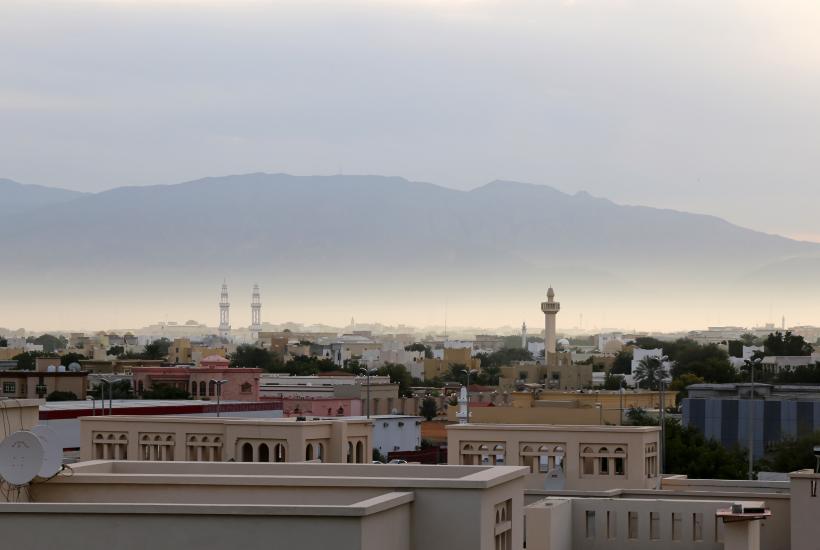
At least 160 people have been arrested in Dubai and the United Arab Emirates for sharing photos or videos linked to Iranian strikes targeting the country. These arrests are based on very strict laws governing social networks and the dissemination of information deemed sensitive by the authorities. Those involved face up to two years in prison and fines that could exceed $50,000.
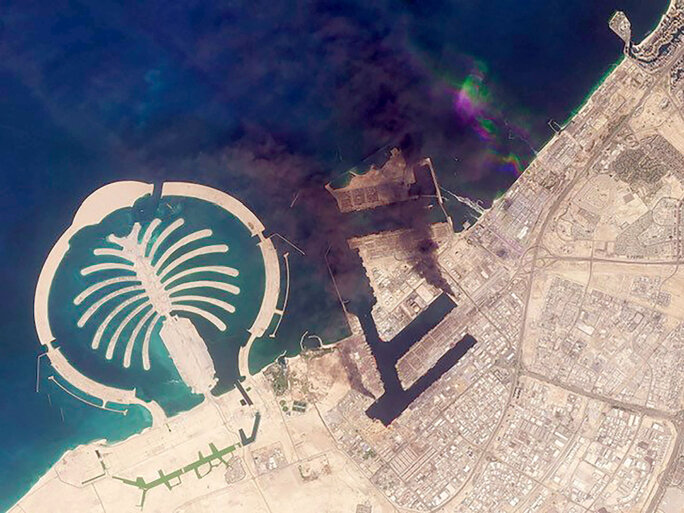
These measures take place in a context of open conflict. Since the end of February, Iran has carried out missile and drone strikes on Emirati territory, causing deaths, injuries and damage to civilian infrastructure, notably in Dubai and Abu Dhabi.

In this context, the authorities seek to impose strict control of information. The dissemination of images not officially validated is considered an attack on public security or a risk of panic. Arrests have also affected tourists and expatriates, sometimes for content shared privately.

This choice reflects a clear logic: to control the story of the war by limiting the circulation of images which document its concrete effects. It is reasonable to question the consequences of such a strategy. Preventing the dissemination of information does not eliminate the strikes or their human and material impacts.

In a context of conflict, the battle is not only fought on the military front, but also on that of information. In Dubai, the line is now drawn: showing war can cost freedom.
#Iran #Dubai #UAE #War

Major European Shipowner Returning To The Strait of Hormuz.
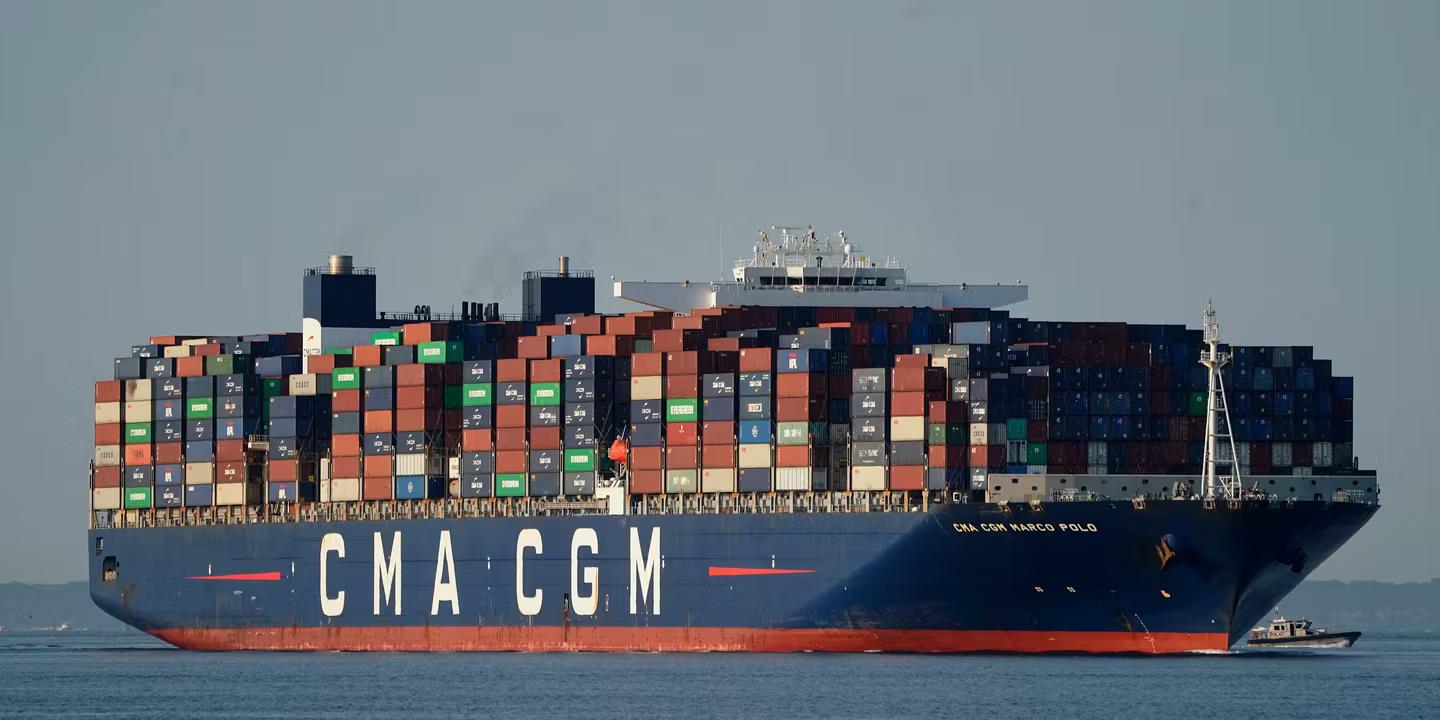
A container ship from the French group CMA CGM crossed the Strait of Hormuz on April 2, according to maritime tracking data. The ship, the Kribi, flying the Maltese flag, modified its AIS signal to “Owner France” before entering this highly sensitive area.

According to Fréquence Populaire:

According to available information, the ship took a route under Iranian control, in a system involving specific authorizations for vessels deemed “acceptable”. Displaying the owner's nationality appears as a signal intended to reduce the risk of interception or attack.

This passage constitutes the first documented case of a major European shipowner returning to the road under these conditions. It illustrates the trade-offs made by players in global maritime trade, between continuity of flows and adaptation to regional balance of power.

In this context, the French diplomatic position, marked by a call for de-escalation and a relative distance from military operations, seems to have played a role in the perception of the ship. This choice reflects an attempt to preserve margins of autonomy in a strategic space dominated by military tensions and alignment logics.

#StraitOfHormuz #Iran #Shipping #Trade #War

United States Strikes South Pars Oil And Gas Field.
“Leave the areas around oil facilities in Saudi Arabia, the UAE, and Qatar.
Iran has announced potential attacks on the oil and gas sectors of Qatar, Saudi Arabia, and the United Arab Emirates, according to reports by IRIB News. The report warned, signaling possible escalation targeting critical energy infrastructure.

According to The Times of Israel, Iran has specifically threatened several major facilities in the region. These include the Samref oil refinery in Saudi Arabia and petrochemical complexes in Jubail, one of the kingdom's key industrial hubs.

Additional threats reportedly target the Al-Hasan gas field in the United Arab Emirates, as well as petrochemical plants and oil refineries in Qatar.

Earlier, Iran stated that forces from the United States and Israel had struck its major oil and gas field, South Pars. Israel later confirmed that it had carried out strikes on facilities located within that field.

The situation is further complicated by disruptions in the Strait of Hormuz, one of the world's most critical oil transit routes. Any escalation in this area could significantly impact global energy markets.

Amid these developments, on March 9, Russian President Vladimir Putin stated that Russia is ready to cooperate with Europe on oil and gas supplies, noting that Moscow is awaiting a signal from European partners.

The threat of attacks on Gulf energy infrastructure raises concerns about supply disruptions, price volatility, and broader geopolitical instability. The region remains central to global oil and gas production, making any escalation a matter of international significance.

#EpsteinFury #ZOG #Iran #War #Empire

Oil Will Soon Reach $200 A Barrel.
A month ago, any analyst suggesting international oil prices could soar all the way to $200 per barrel would have been laughed out of the studio. Now, some are beginning to acknowledge that this is a real possibility, and with good reason.
Oil and fuel exports from the Middle East stood at 25.13 million barrels daily in February, Reuters reported this month, citing data from Kpler. By mid-March, this had plummeted by close to two-thirds, to 9.71 million barrels a day. Vortexa has even more worrying figures, putting the February daily average at 26.1 million barrels of crude and fuels, and the mid—March average at just 7.5 million barrels daily.

Yet even worse than daily shipments is the situation in production. Everyone in the Middle East is cutting oil production—and those wells take a while to restart. The reason they are cutting is that storage capacity is limited—and some of those “export” barrels are actually going on tankers for storage rather than shipment to clients. A fifth of global oil, in other words, is severely disrupted, and even if the bombs stop flying tomorrow, it will take a while for things to get back to normal.

#EpsteinFury #OilPrices #War #Iran #US #Empire #ZOG

“The United States and its allies are sending to Ukraine a wide range of munitions, but they are not being produced or delivered as quickly as needed,” Atlantic Council nonresident senior fellow Thomas Warrick wrote last week.

Even if the feckless, weak republicans in name only, were to appropriate the sixty plus billion dollars for the Ukraine project, which they really wish to do, there is still the problem of where are they going to get the weapons and ammunition, to buy with all that US taxpayer, cash, because, what nobody wants to say out loud is, that the west, in its entirety, have no industrial, manufacturing capability to keep Ukraine or themselves, to be frank, in weapons and ammunition.**

Obviously, that little fact, being released into the wild, would be embarrassing, if not a bonafide threat to all their national security and a bruise on their blustering egos to boot. Therefore, it is necessary to obfuscate this reality, by distracting the public, that the republicans are being obstructionists. A role that the controlled, opposition, republicans are more than willing to play. All one had to do was pay attention to House Speaker, Mike Johnston's face and body language, during the recent, State of the Union address, to see how pliable to the idea, of further spending in the bottomless pit of Ukraine, made its appeal to him. The problem is that the entire Washington establishment, has to continue the farce since, from their vantage point, no one must be able to highlight the obvious fact that there are no more artillery shells, no more explosives no more raw materials to make them and worse, they may have to buy them from the Russians.

What's more, the prospect of offshoring their war machine production to China and India, since Russia is clearly out of the question, in an election year must be terrifying to them. The entire west, with their green new deals, their inclusive, Marxist culturalism, with their solar panels and windmills, are having continuous headlong collisions, with reality. Without traditional fuels, industrial factories and a united, motivated, educated population, service economies cannot win wars. So, let them keep fooling themselves, obviously, all of us aren't even fooled.

#MIC #Neocons #Uni-Party #Weapons-Shortages #Ammunition-Scarcity #NATO #Russia #Ukraine #EU #War-Hawks