Mango Max
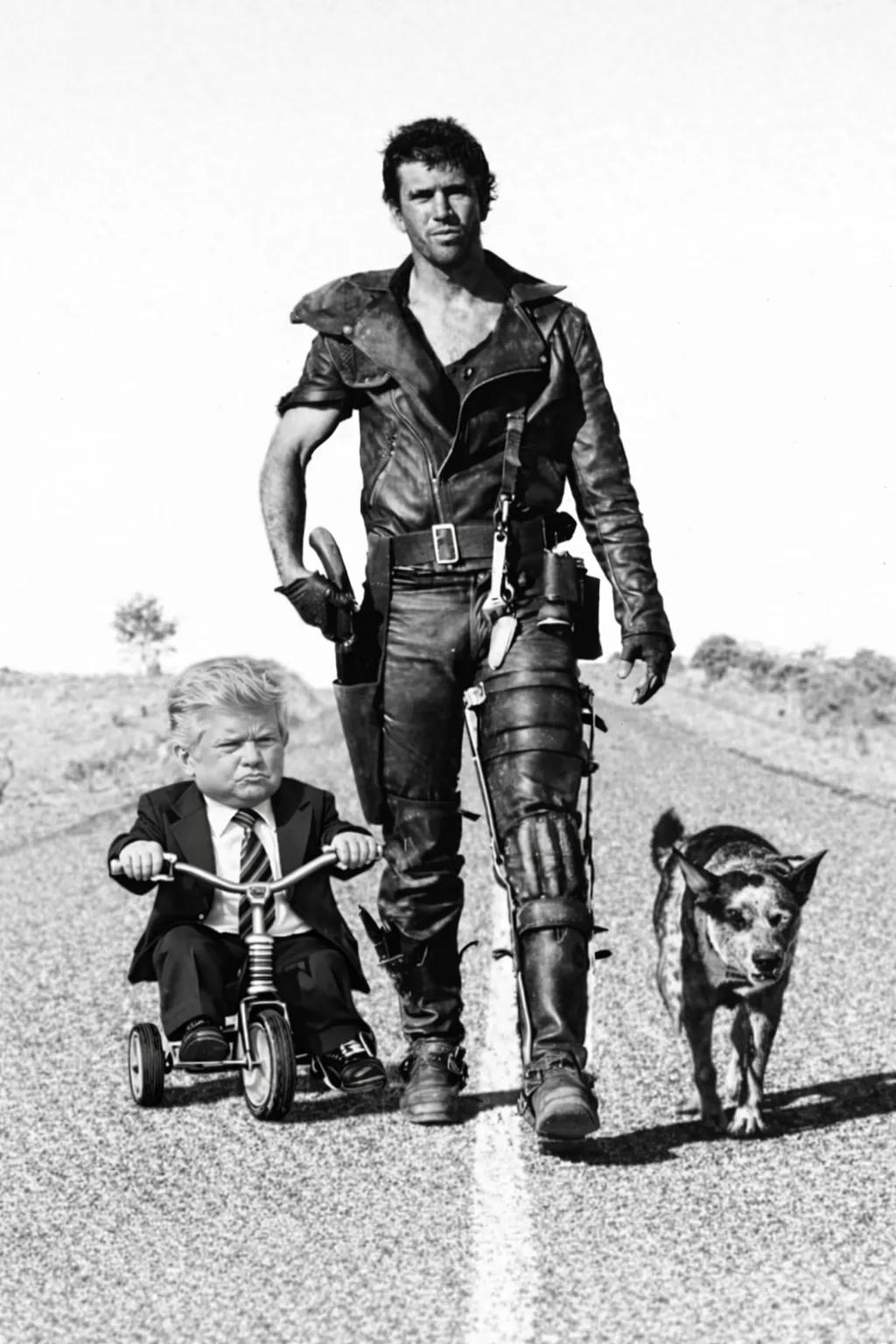
The most dangerous hostage negotiation in history is happening right now and one side hasn't even shown
The most dangerous hostage negotiation in history is happening right now and one side hasn't even shown
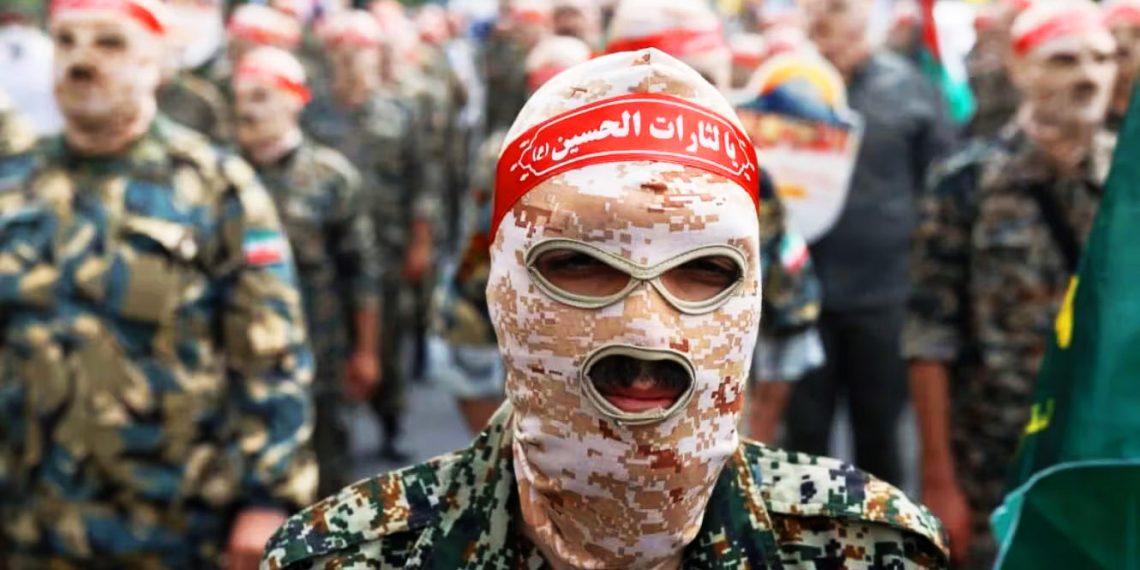
For years, when Iran's military capabilities come to light in the international media, the conversation boils down to a single name: the Quds Force.For years, when Iran's military capabilities come to light in the international media, the conversation boils down to a single name: the Quds Force. It is a familiar, visible and convenient perspective for narratives about regional reach Tehran's . But that focus hides something more immediate and relevant when the debate moves from long-term influence to short-term confrontation.It is a familiar, visible and convenient perspective for narratives about regional reach Tehran's . But that focus hides something more immediate and relevant when the debate moves from long-term influence to short-term confrontation.
If a limited attack were to occur on an island, port, or critical infrastructure, the Quds Force would not be the first to arrive. The units that would respond and determine the outcome in the first few hours are much less known. And this is not because they do not exist, but because the Islamic Republic system was never built around a single elite formation.
Instead, what exists is a stratified structure, spread across multiple institutions, where “special forces” are not a brand, but a function.
A distributed model of force
At the center of this structure is the Islamic Revolutionary Guard Corps (IRGC), particularly its ground forces. Within it, the term that appears most frequently—and is often misinterpreted—is Saberin . It is sometimes described as a unit, but that only reflects part of the truth.
In practice, it functions more like a category: a set of special operations capabilities spread across different formations.
These units are trained for raids, helicopter insertions and operations in difficult terrain. More importantly, they are integrated into Iran's provincial structure. Previous defense assessments indicate that Saberin-type units operate at the regional corps level, rotating between operational zones: in the northwest against Kurdish militant groups and in the southeast against insurgent networks.
That detail is important. It means that Iran's elite capabilities are not centralized in one place, waiting to be deployed. They are already distributed throughout the territory, adapted to local environments and accustomed to operating in fragmented and low-intensity conflicts.
This model is very different from that of Western special forces, which are typically designed for projection: arriving by plane, executing a mission, and leaving. The Iranian system is designed for presence.
Along with Saberin, there are identifiable formations within the IRGC ground forces, such as the Salman Farsi Brigade in the southeast or other special brigades that appear in exercises and in internal reports. Their public visibility remains limited, but their role is clear: they operate between local security forces and high-level strategic units, reinforcing weak points and responding to sudden threats.
Beyond the IRGC
Iran's ability to conduct special operations goes beyond the Islamic Revolutionary Guard Corps.
Within the regular army, the Artesh, a different tradition persists: older, more conventional, but still current. The most prominent unit is the 65th Special Forces Airborne Brigade, known as NOHED. Unlike the Islamic Revolutionary Guard formations, NOHED is more like classic special forces: capable of airborne operations, reconnaissance and direct action training, and rapid deployment capabilities.
What makes NOHED particularly interesting is not only its training, but also its limited operational experience abroad. Reports of its deployment to Syria in 2016 suggest that, under certain conditions, even Iran's most conventional forces can be used in expeditionary missions.
However, focusing solely on ground forces would miss a critical part of the picture.
The maritime edge
Iran's special operations capabilities are most evident in the maritime domain. The Islamic Revolutionary Guard Corps (IRGC) Navy maintains a specialized formation known as the Sepah Naval Special Force ( SNSF ). Based on islands in the Persian Gulf, including Forur, this unit trains in combat diving, amphibious assault and boarding.
Unlike many Iranian ground units, which operate largely covertly, these naval forces have left a more obvious operational footprint. They have been involved in anti-piracy operations in the Gulf of Aden and are widely associated with Iran's ability to seize or intercept ships in the Strait of Hormuz.
This reflects a strategic reality. In a confrontation with external powers, Iran is much more likely to undertake limited and geographically confined operations, especially at sea, rather than a full-scale conventional war.
Rethinking “special forces”
This raises a deeper question in comparisons with the West.
Looking for an Iranian equivalent to SEAL Team Six or Delta Force is a mistake. The Iranian system is not designed to create a single visible elite formation. Its objective is to guarantee the existence of land, maritime and internal security forces capable of responding quickly, in a local and coordinated manner.
comes into play This is where the Basij, often overlooked but of great structural importance, . While much of the Basij focuses on mobilization and internal control, certain elements, such as Fatehin units, receive higher level training and have reportedly been deployed to external theaters such as Syria.
More importantly, Basij units are integrated into IRGC operations at a tactical level, providing reinforcements, terrain awareness and personnel. In a real scenario, they would probably be among the first to respond, not as elite commandos, but as part of a tiered defensive system that supports and amplifies the actions of more specialized units.
A system designed for continuity
Taken together, this structure begins to explain why Iran's special forces are difficult to map and compare.
They are not designed to be visible. They are not organized around a single command. They do not primarily operate on the high-profile global missions that define Western special operations.
His experience has been developed, however, in calmer areas: border conflicts, internal security operations and selective deployments in Syria and Iraq.
This experience is less spectacular, but no less important. It emphasizes adaptability, knowledge of the terrain, and the ability to operate within a larger system rather than independently.
Therefore, the response to a limited external incursion is not a single unit, but a sequence determined by proximity, capacity, and escalation.
Local IRGC and Basij elements mobilize first to secure the immediate environment, followed by Saberin-type formations acting as mobile reinforcements. In parallel, if maritime conditions require it, IRGC naval special forces are deployed to control or disrupt access to the sea, while Artesh units, such as NOHED, can be deployed as higher level reinforcements when escalation demands it.
The system works through layers: a structure designed to absorb impacts, reinforce weak points and maintain operational continuity. That's the central idea.
Iran's special operations capability remains less visible, not because it is weak or because it is exceptionally secretive. It remains hidden because it does not fit dominant narratives about what special forces should be like.
There is no single emblem, nor a singular force that symbolizes it. What exists, however, is a system that is more difficult to define and much more difficult to destabilize.
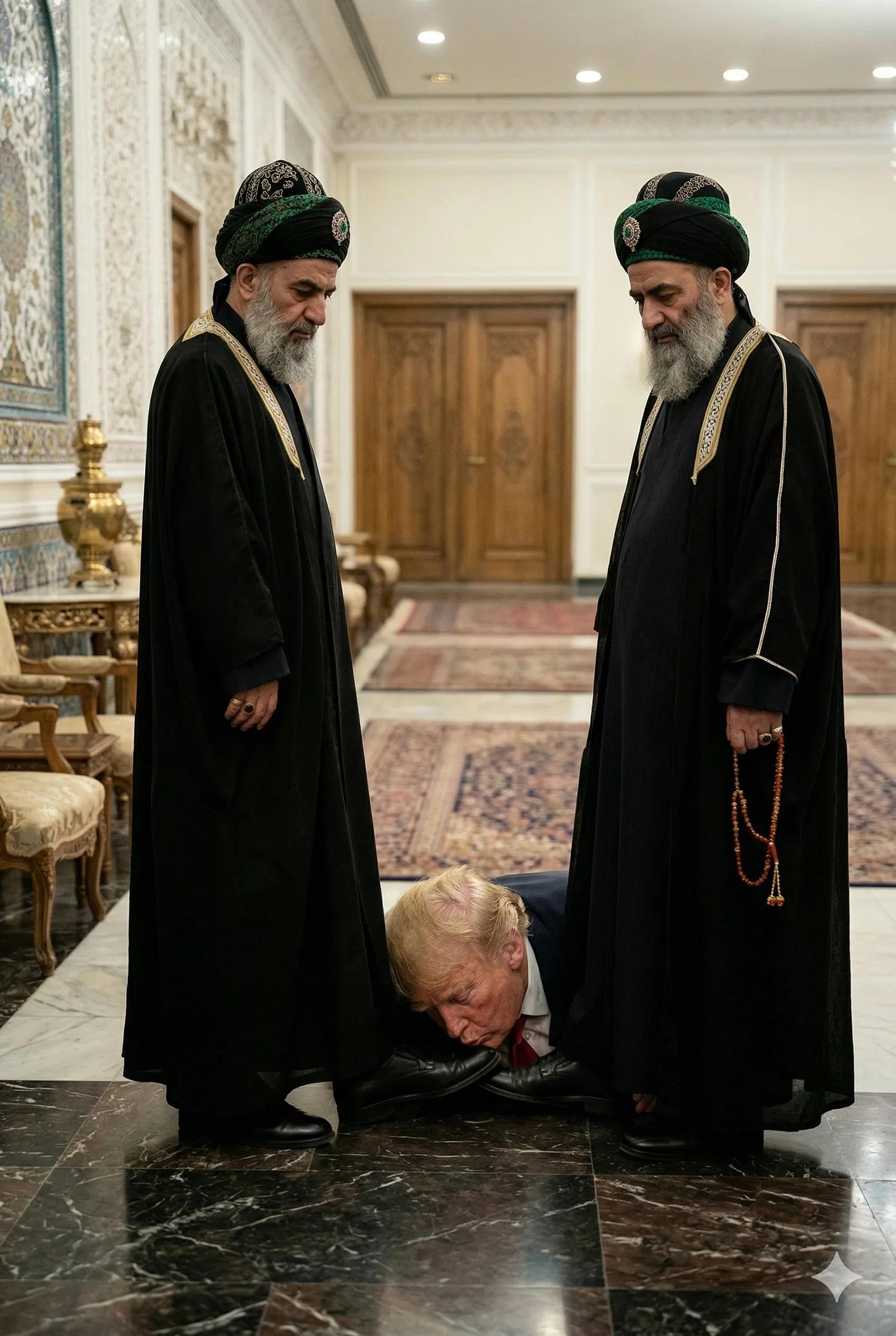
Iran can smell the desperation. The mediators can smell it. The Houthis can smell it. The Saudis can smell it. Every intelligence agency on earth can smell it.The only people who can’t smell it are the MAGA faithful and that’s because they’ve had their heads so far up Trump’s arse for so long they’ve lost their sense of smell entirely.
Ambiguious Rescue Operation Of American Pilots.
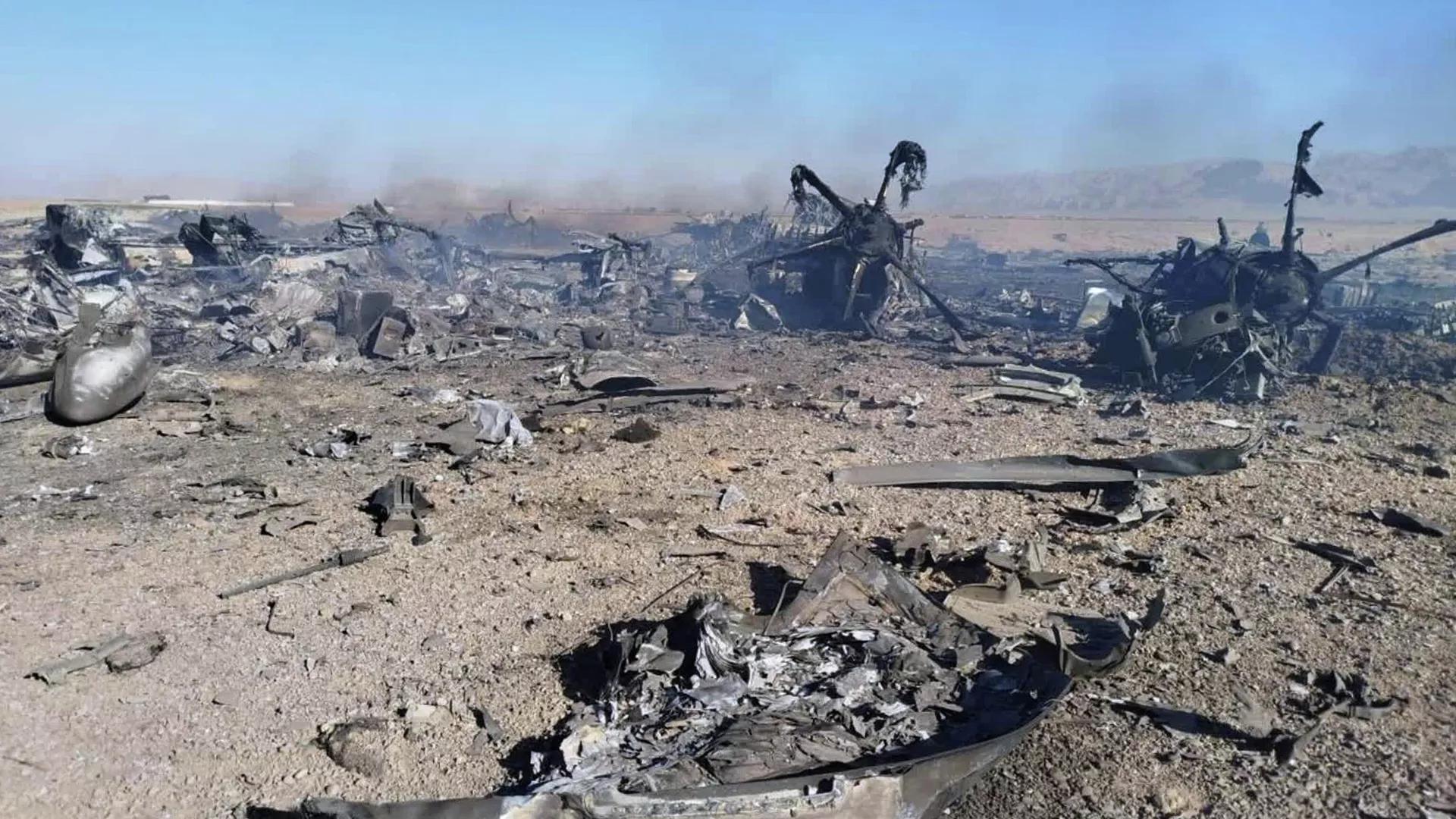
Trump announced that in a successful rescue operation, he saved the second crew of his fighter that was shot down by Iran.
 According to Tasnim Nima Akbarkhani, The expert on military issues, said about why the Americans used the C-130 planes in the pilot rescue operation:
 This plane is a heavy-duty cargo plane, but every time it enters Iran, it encounters problems, and last time they entered Tabas with the same plane.
According to him, this plane does not need a special runway. It can almost sit on the dirt ground without mud. This plane has been flying in routes where it was assumed that Iran's defense is not active there. The plane was trying to land in a safe place.
Akbarkhani stated that all the words we are saying are analysis and said: The only fact is that the Americans lost 12 aircraft in this operation. When they returned, they bombed their equipment.
According to Tasnim news agency , Donald Trump, the head of the American terrorist state, announced that today in a successful rescue operation, he saved the second crew of his fighter that was shot down by Iran. There are very important points, possibilities and ambiguities about this topic that we will read together:
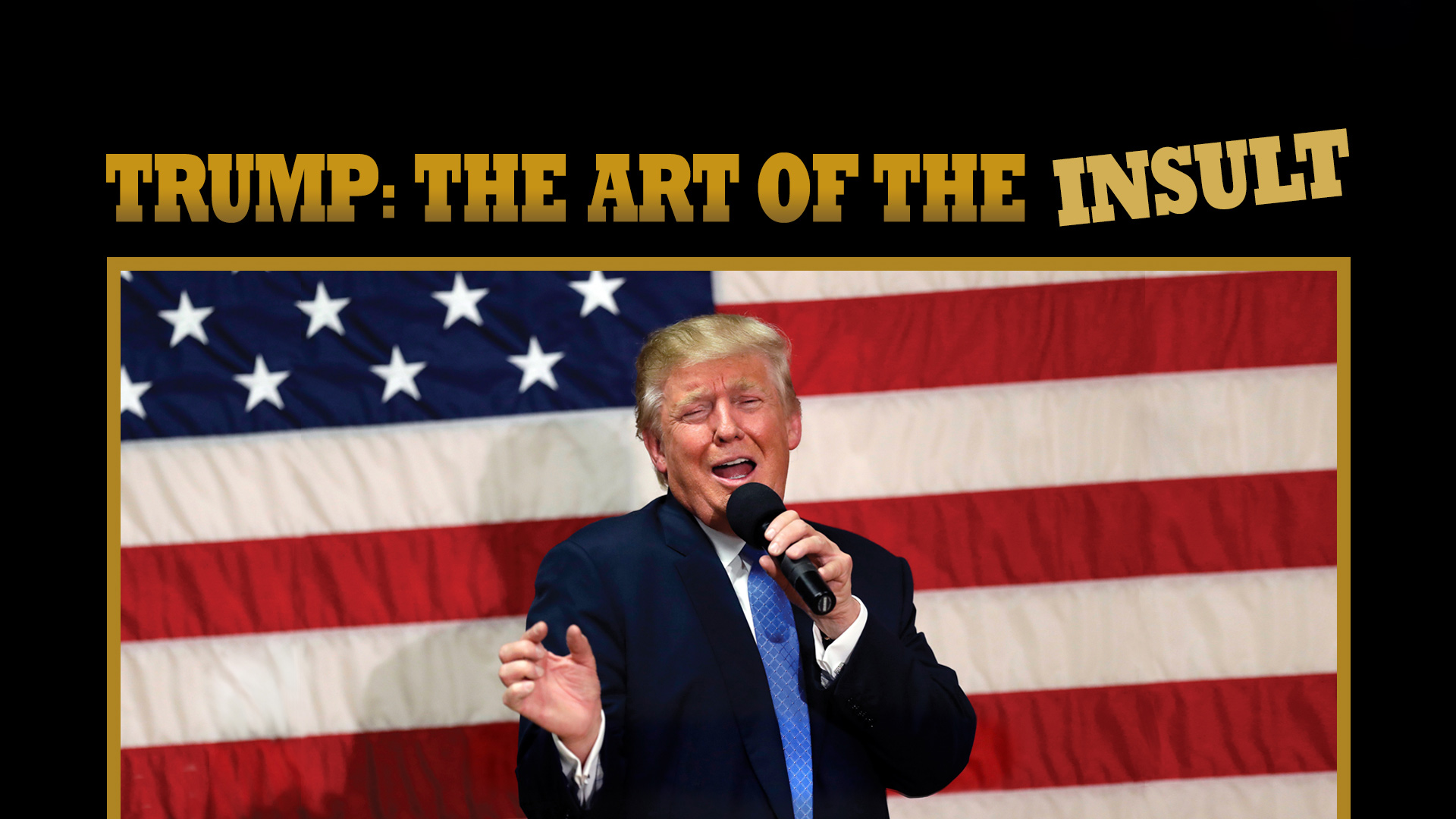
Donald Trump threatened to strike power plants and bridges in Iran on Tuesday if the Strait of Hormuz is not reopened. This escalation targeting civilian infrastructure would raise fears of an Iranian response and a major energy crisis with global repercussions.
Donald Trump published a message on his Truth Social network explicitly threatening Iran with strikes against power plants and bridges, setting a deadline of Tuesday for the reopening of the Strait of Hormuz. The message, punctuated with insults and the phrase “you'll be living in Hell”, evokes a day dedicated to Iranian energy infrastructure. This statement marks a new rise in direct verbal tension between Washington and Tehran.
The choice of targets mentioned – power plants and transport infrastructure – concerns essential civilian installations. Such rhetoric breaks with the caution usually displayed publicly by politicians when it comes to critical infrastructure. It is part of a logic of escalation which targets the energy and economic capacity of a State rather than strictly military objectives.
Incompetent Democrats Are Already Measuring The Linen To The Halls Of Power.
Trump walked into his second term holding a winning hand. He then saw Netanyahu at the poker table, folded his entire hand, gave Netanyahu his wallet, his watch, and the keys to the car, and said “whatever you want, buddy.”America had the whole world. The alliances. The trust. The moral authority, tattered as it sometimes was. The reserve currency. The soft power. All of it. The greatest hand ever dealt to a single nation in the history of civilization.
However, this one stupid, vain, corrupt, bone spurred, game show hosting, pussy grabbing, casino bankrupting, Epstein adjacent, twice impeached, convicted felon of a man threw it all away. In ninety fucking days. For a war nobody wanted.
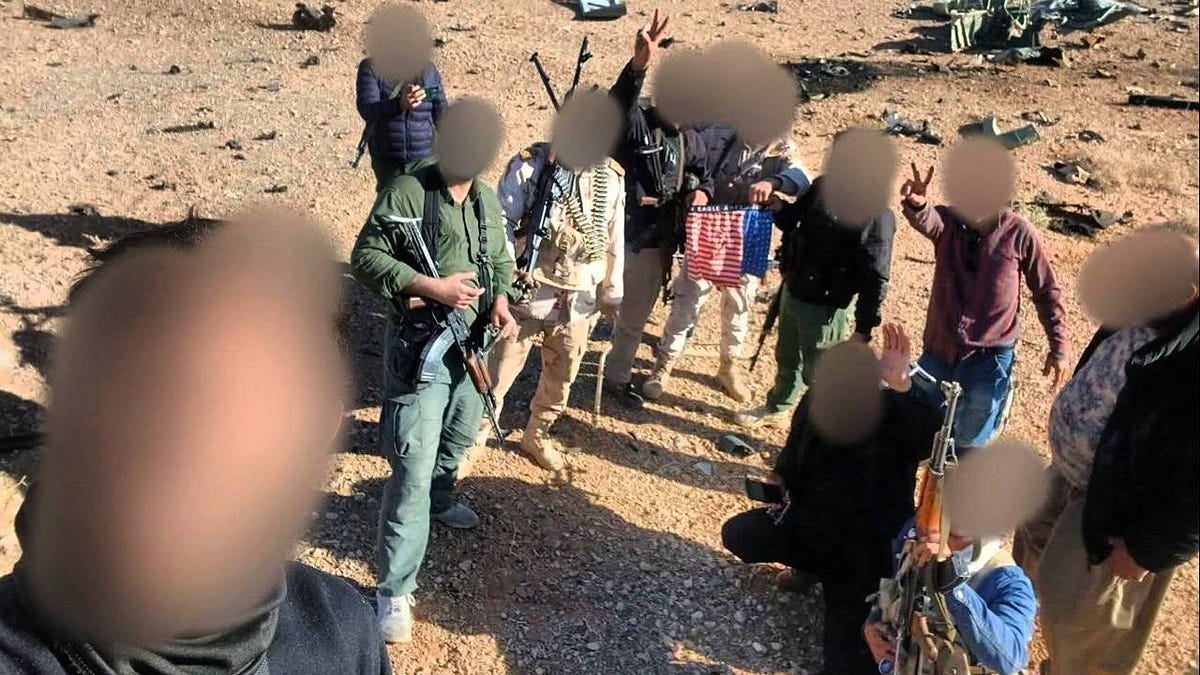
The morning broke with news of a large-scale US operation to supposedly extract the second downed pilot from Iran, who had ejected from his shot-down F-15E on Thursday.
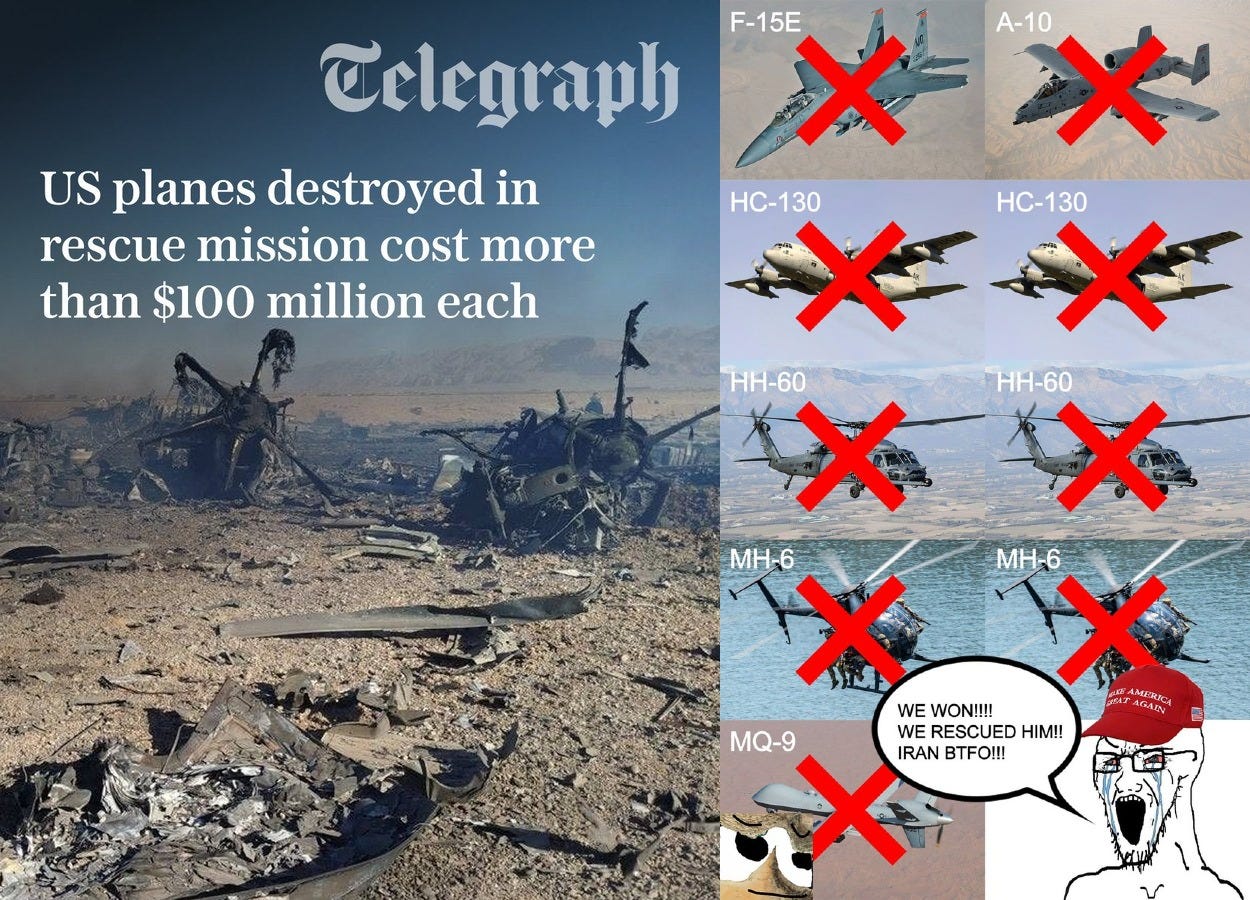
The morning broke with news of a large-scale US operation to supposedly extract the second downed pilot (WSO – Weapons Systems Officer) from Iran, who had ejected from his shot-down F-15E on Thursday. The scale of losses for this operation alone turned out to be massive, as the US lost hundreds of millions worth of planes allegedly getting the airman back to safety.
The operation involved all kinds of Special Forces units which amounted to “boots on ground” inside Iran for the first time—at least officially.
Trump Has Lost The Plot.

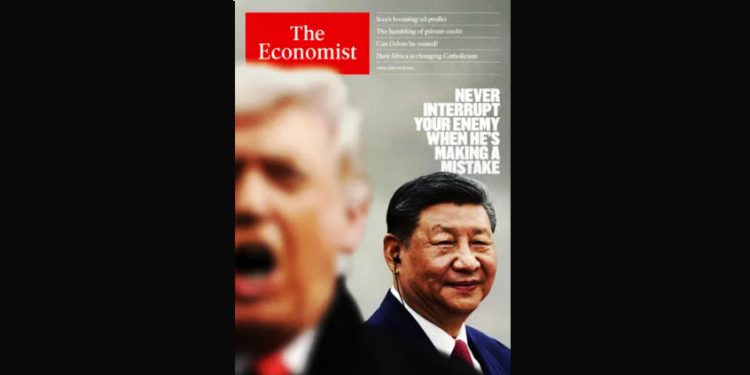
“Never interrupt your enemy when he is making a mistake.” The cover of The Economist on April 1 condenses a good part of the current geopolitical moment into a single image: Trump, in the foreground, blurry, twitching, almost swallowed by his own gesticulation; In the background, Xi Jinping, clear and serene.
During the Battle of Austerlitz in 1805, Napoleon applied the maxim of not interrupting the enemy when he makes a mistake, slowing his generals to allow the Russian and Austrian armies to abandon the strategic heights of Pratzen. This opposition tactical error allowed Napoleon to counterattack at the right moment and secure one of his most brilliant victories.
“Never interrupt your enemy when he is making a mistake.” The cover of The Economist on April 1 condenses a good part of the current geopolitical moment into a single image: Trump, in the foreground, blurry, twitching, almost swallowed by his own gesticulation; In the background, Xi Jinping, clear and serene. This is not an occurrence. The British weekly explains that, in Beijing, the war promoted by Washington against Iran is seen as a serious strategic error by the United States; and that a good part of the Chinese calculation consists precisely in letting that error continue.
The White House wanted to sell the offensive as a show of force: to discipline Iran, intimidate its adversaries and remind the world who is boss. But, a month after the fighting began, the conflict has disrupted energy markets, raised the price of crude oil, expanded regional instability for US allies and opened new political and military costs for Washington. The old empire, instead of exhibiting omnipotence, once again demonstrates that it only knows how to burn, but that it no longer controls.
Even the swordsmen hired by The Economist 's capital realize that, from the Chinese perspective, this war is a distraction that wears down the United States and distances it from the decisive chessboard: East Asia. Furthermore, the crisis generated confirms Xi's theses: shielding the country from external shocks through strategic reserves, energy diversification and state-run, long-term economic planning. At the same time, the closure or threat of the Strait of Hormuz pushes many countries to think about the energy transition, an area in which China dominates key chains such as solar panels, batteries and other components. While Washington improvises to the rhythm of Trump's impulses, Beijing is a methodical, confident and reliable actor.
Washington no longer orders the world, but rather destabilizes it, makes it more expensive and breaks it down. And every time it does so, it confirms before millions of eyes its loss of hegemony.
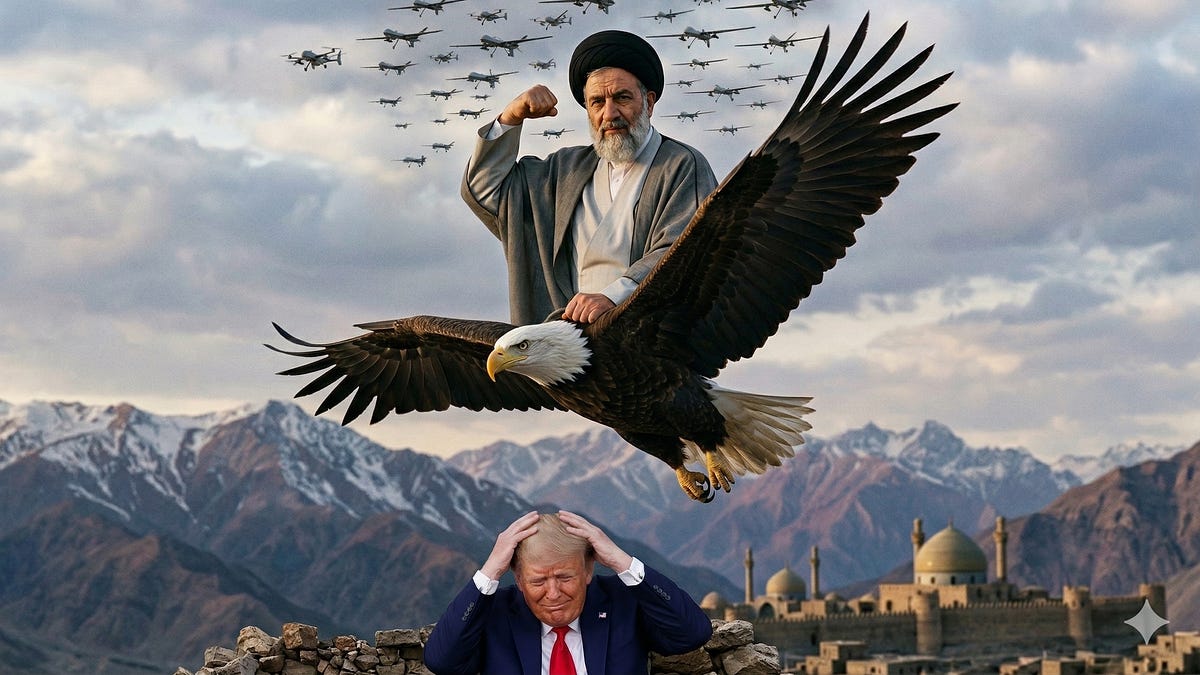
Iran released an open letter to the American people this week. And whether you agree with Iran’s government or not, this thing reads like a masterclass in diplomatic shit-talking. Every paragraph is a velvet glove wrapped around a sledgehammer. So let’s break it down.
The Iranian How To Guide On Eviscerating A Malignant Narcissist.
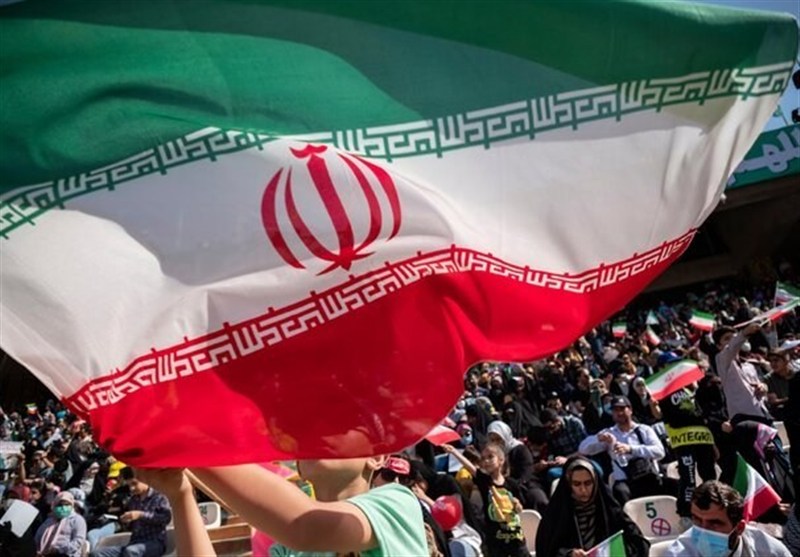
“Throughout its millennia of proud history, Iran has outlasted many aggressors. All that remains of them are tarnished names in history, while Iran endures, resilient, dignified, and proud.”“To the people of the United States of America, and to all those who, amid a flood of distortions and manufactured narratives, continue to seek the truth and aspire to a better life:
Iran—by this very name, character, and identity—is one of the oldest continuous civilizations in human history. Despite its historical and geographical advantages at various times, Iran has never, in its modern history, chosen the path of aggression, expansion, colonialism, or domination. Even after enduring occupation, invasion, and sustained pressure from global powers—and despite possessing military superiority over many of its neighbors—Iran has never initiated a war. Yet it has resolutely and bravely repelled those who have attacked it.
The Iranian people harbor no enmity toward other nations, including the people of America, Europe, or neighboring countries. Even in the face of repeated foreign interventions and pressures throughout their proud history, Iranians have consistently drawn a clear distinction between governments and the peoples they govern. This is a deeply rooted principle in Iranian culture and collective consciousness—not a temporary political stance.
For this reason, portraying Iran as a threat is neither consistent with historical reality nor with present-day observable facts. Such a perception is the product of political and economic whims of the powerful— the need to manufacture an enemy in order to justify pressure, maintain military dominance, sustain the arms industry, and control strategic markets. In such an environment, if a threat does not exist, it is invented.
Within this same framework, the United States has concentrated the largest number of its forces, bases, and military capabilities around Iran—a country that, at least since the founding of the United States, has never initiated a war. Recent American aggressions launched from these very bases have demonstrated how threatening such a military presence truly is. Naturally, no country confronted with such conditions would forgo strengthening its defensive capabilities. What Iran has done—and continues to do—is a measured response grounded in legitimate self-defense, and by no means an initiation of war or aggression.
Relations between Iran and the United States were not originally hostile, and early interactions between the Iranian and American people were not marred with hostility or tension. The turning point, however, was the 1953 coup d’état—an illegal American intervention aimed at preventing the nationalization of Iran’s own resources. That coup disrupted Iran’s democratic process, reinstated dictatorship, and sowed deep distrust among Iranians toward U.S. policies. This distrust deepened further with America’s support for the Shah’s regime, its backing of Saddam Hussein during the imposed war of the 1980s, the imposition of the longest and most comprehensive sanctions in modern history, and ultimately, unprovoked military aggression—twice, in the midst of negotiations—against Iran.
Yet all these pressures have failed to weaken Iran. On the contrary, the country has grown stronger in many areas: literacy rates have tripled—from roughly 30% before the Islamic Revolution to over 90% today; higher education has expanded dramatically; significant advances have been achieved in modern technology; healthcare services have improved; and infrastructure has developed at a pace and scale incomparable to the past. These are measurable, observable realities that stand independent of fabricated narratives.
At the same time, the destructive and inhumane impact of sanctions, war, and aggression on the lives of the resilient Iranian people must not be underestimated. The continuation of military aggression and recent bombings profoundly affect people’s lives, attitudes, and perspectives. This reflects a fundamental human truth: when war inflicts irreparable harm on lives, homes, cities, and futures, people will not remain indifferent toward those responsible.
This raises a fundamental question: Exactly which of the American people’s interests are truly being served by this war? Was there any objective threat from Iran to justify such behavior? Does the massacre of innocent children, the destruction of cancer-treatment pharmaceutical facilities, or boasting about bombing a country “back to the stone ages” serve any purpose other than further damaging the United States’ global standing?
Iran pursued negotiations, reached an agreement, and fulfilled all its commitments. The decision to withdraw from that agreement, escalate toward confrontation, and launch two acts of aggression in the midst of negotiations were destructive choices made by the U.S. government—choices that served the delusions of a foreign aggressor.
Attacking Iran’s vital infrastructure—including energy and industrial facilities—directly targets the Iranian people. Beyond constituting a war crime, such actions carry consequences that extend far beyond Iran’s borders. They generate instability, increase human and economic costs, and perpetuate cycles of tension, planting seeds of resentment that will endure for years. This is not a demonstration of strength; it is a sign of strategic bewilderment and an inability to achieve a sustainable solution.
Is it not also the case that America has entered this aggression as a proxy for Israel, influenced and manipulated by that regime? Is it not true that Israel, by manufacturing an Iranian threat, seeks to divert global attention away from its crimes toward the Palestinians? Is it not evident that Israel now aims to fight Iran to the last American soldier and the last American taxpayer dollar—shifting the burden of its delusions onto Iran, the region, and the United States itself in pursuit of illegitimate interests?
Is “America First” truly among the priorities of the U.S. government today?
I invite you to look beyond the machinery of misinformation—an integral part of this aggression—and instead speak with those who have visited Iran. Observe the many accomplished Iranian immigrants—educated in Iran—who now teach and conduct research at the world’s most prestigious universities, or contribute to the most advanced technology firms in the West. Do these realities align with the distortions you are being told about Iran and its people?
Today, the world stands at crossroads. Continuing along the path of confrontation is more costly and futile than ever before. The choice between confrontation and engagement is both real and consequential; its outcome will shape the future for generations to come. Throughout its millennia of proud history, Iran has outlasted many aggressors. All that remains of them are tarnished names in history, while Iran endures—resilient, dignified, and proud.”